
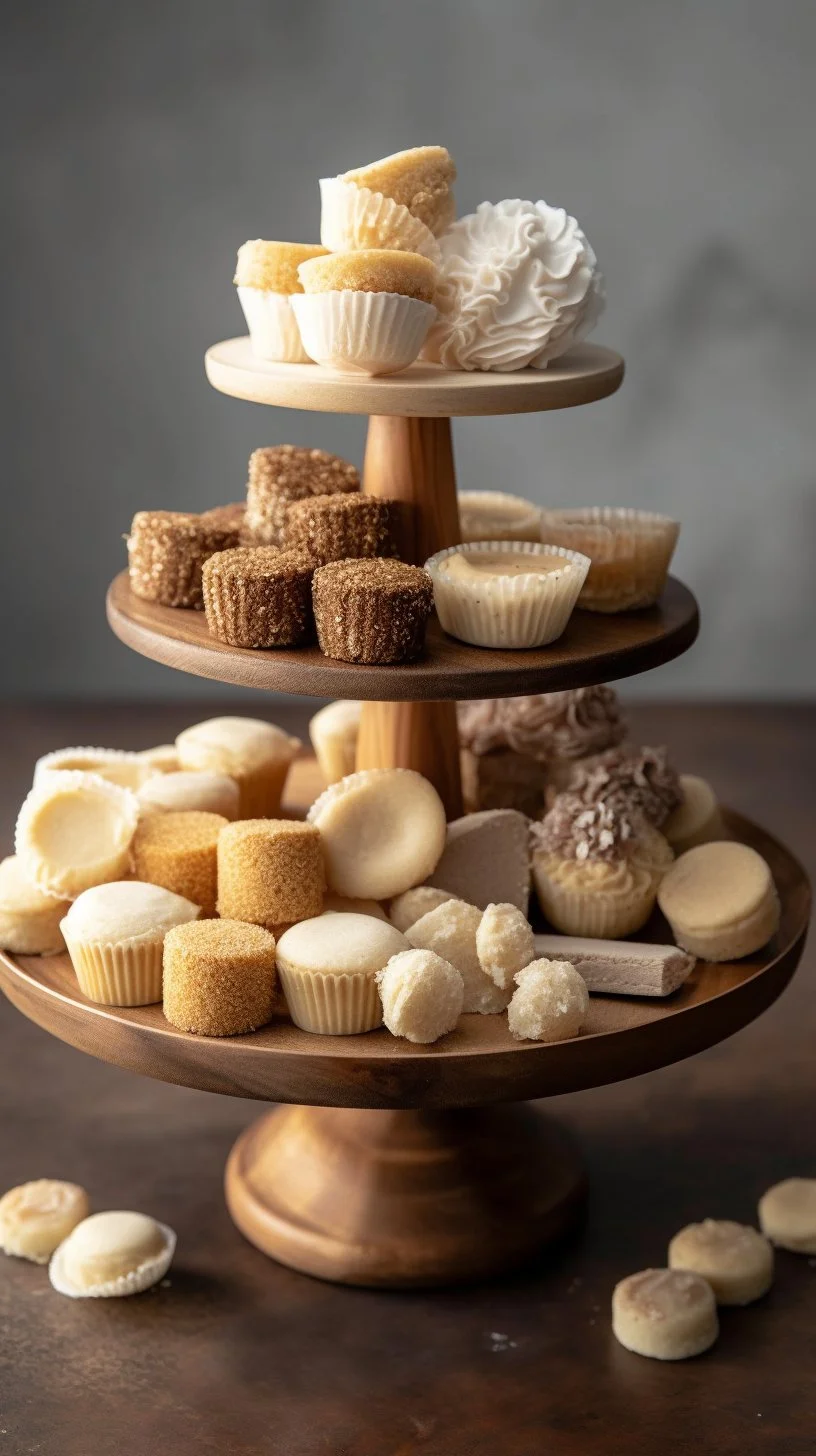
A sun-dusted alley in Manila, a market stall that smells of roasted coconuts and childhood—this is where polvoron hooked me. Tiny rounds of toasted flour, butter, and powdered milk, each bite a short, sweet cinematic memory of the Philippines and the streets I’ve never stopped chasing.
Why make this recipe
Because polvoron is portable nostalgia — it’s snackable, shareable, and absurdly easy. It’s the kind of street-food magic you can make in your kitchen in 30 minutes and hand out like edible postcards to friends.
How to make Filipino Polvoron
Ingredients:
- 1 cup all purpose flour
- 1/2 cup granulated sugar
- 1/2 cup powdered whole milk
- 3 Tbsp malted milk powder (optional)
- pinch kosher salt
- 10 Tbsp unsalted butter, melted
- Optional Mix Ins: 60 grams chopped Oreo, 35 grams sprinkles, 18 grams rice crispy cereal
Directions:
- Set a large shallow skillet over medium heat. Add flour and stir often to toast until fragrant and tan. Cool the flour for 5 to 10 minutes.
- In another bowl, combine sugar, powdered milk, malted milk powder, and salt. Add this to the slightly cooled flour and whisk together.
- Add the warm melted butter and fold ingredients until crumbly.
- Use an oval stamper to punch out cookies or shape into molds.
- Place cookies on a parchment-lined baking sheet and allow to harden at room temperature or quicken the process in the fridge/freezer.
How to serve Filipino Polvoron
Serve these like little treasures at the end of a meal, or tuck them into a picnic jar. Present them wrapped in colorful cellophane or banana leaves for a street-food vibe — the crunch gives way to a powdery, buttery melt that pairs beautifully with hot coffee or a cold milk tea. If you want to go cinematic: arrange a flight of flavors (classic, Oreo, and sprinkles) and let guests play taste detective.
How to store Filipino Polvoron
Keep polvoron in an airtight container at room temperature for up to 2 weeks. For longer life and firmer texture, refrigerate up to 1 month — bring to room temperature before serving to regain that classic melt-in-the-mouth feel. If you used sprinkles or cereal, store layers between parchment so the toppings don’t crush.
Tips to make Filipino Polvoron
- Toast the flour slowly and keep it moving. Browning it too fast gives a bitter edge; light tan and a nutty scent are your targets.
- Use unsalted butter so you control saltiness; a pinch of kosher salt in the dry mix is enough to lift flavors.
- Melted butter should be warm, not scalding — too hot and it’ll clump the powdered milk.
- For neater shapes, press firmly and tap the mold against the counter to release. Wipe the stamper between uses for clean edges.
- Want fluffier polvoron? Sift the powdered milk and flour before toasting to avoid lumps.
Variations (if any)
- Oreo Polvoron: Fold in 60 grams chopped Oreo for chocolatey swirls.
- Confetti Celebration: Stir 35 grams of sprinkles into the dry mix for party-ready rounds.
- Crispy Crunch: Add 18 grams of rice crispy cereal at the end for a textural surprise.
- Nutty Twist: Replace 2 Tbsp of flour with finely ground toasted almonds or toasted coconut for a regional spin.
- Vegan-ish: Swap butter for coconut oil and use non-dairy powdered milk (expect a slightly different mouthfeel).
FAQs
Q: Can I bake polvoron instead of toasting on the stovetop?
A: Toasting in a skillet is traditional and gives direct contact heat for quick browning. You can spread flour on a baking sheet and bake at 325°F (160°C) for 5–8 minutes, stirring halfway, but watch closely so it doesn’t overbake.
Q: My polvoron feels oily. What happened?
A: Too much butter or warm butter added to cold dry mix can cause seepage. Use the recipe ratio and add warm (not hot) melted butter; fold until crumbly — not slick.
Q: Why is my polvoron crumbly and falls apart?
A: That’s usually from not pressing the molds firmly enough or from too-dry a mix. Press more compactly and let them set at room temperature or chill briefly to firm up. A small extra teaspoon of melted butter can help bind stubborn batches.
Q: Can I make polvoron ahead for a party?
A: Yes — they keep well at room temperature for several days. For longer prep, make them up to a month ahead and refrigerate in airtight containers.
Q: Are polvoron gluten-free?
A: Traditional polvoron uses all-purpose flour, so it’s not gluten-free. For a gluten-free version, experiment with roasted rice flour or a 1:1 gluten-free blend — results may vary.
Conclusion
This recipe is a tiny passport stamp: quick to make, generous in nostalgia, and endlessly adaptable. If you want another version from a long-loved Filipino kitchen, see the classic take at Polvoron – Kawaling Pinoy, or explore nuanced variations and storytelling at Filipino Polvoron – The Little Epicurean. Pack a few into a jar, hand one to a friend, and watch how instantly the world feels smaller and more delicious.
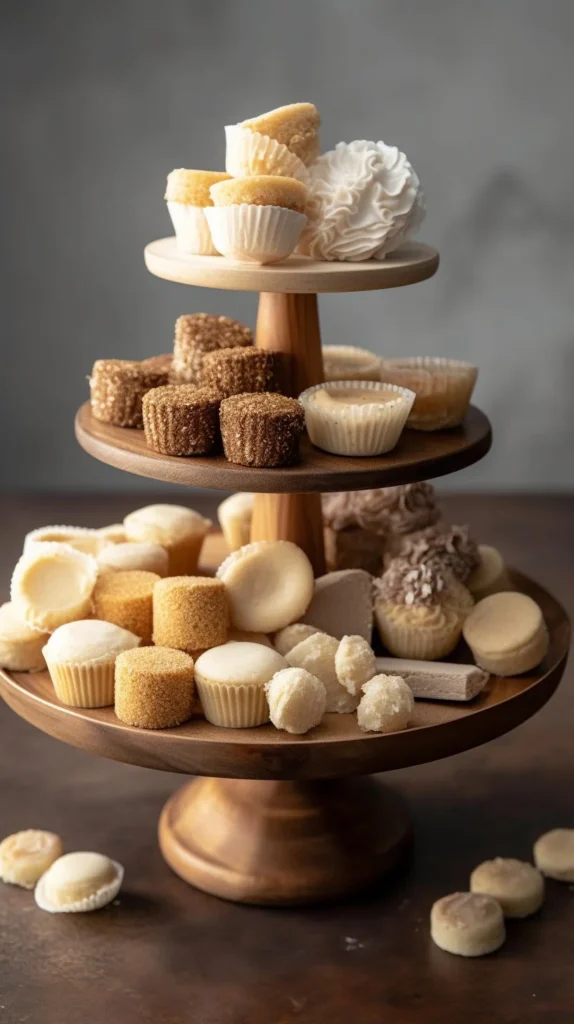
Filipino Polvoron
Ingredients
Method
- Set a large shallow skillet over medium heat. Add flour and stir often to toast until fragrant and tan.
- Cool the flour for 5 to 10 minutes.
- In another bowl, combine sugar, powdered milk, malted milk powder, and salt.
- Add this mixture to the slightly cooled flour and whisk together.
- Add the warm melted butter and fold ingredients until crumbly.
- Use an oval stamper to punch out cookies or shape into molds.
- Place cookies on a parchment-lined baking sheet and allow to harden at room temperature or quicken the process in the fridge/freezer.