
Introduction
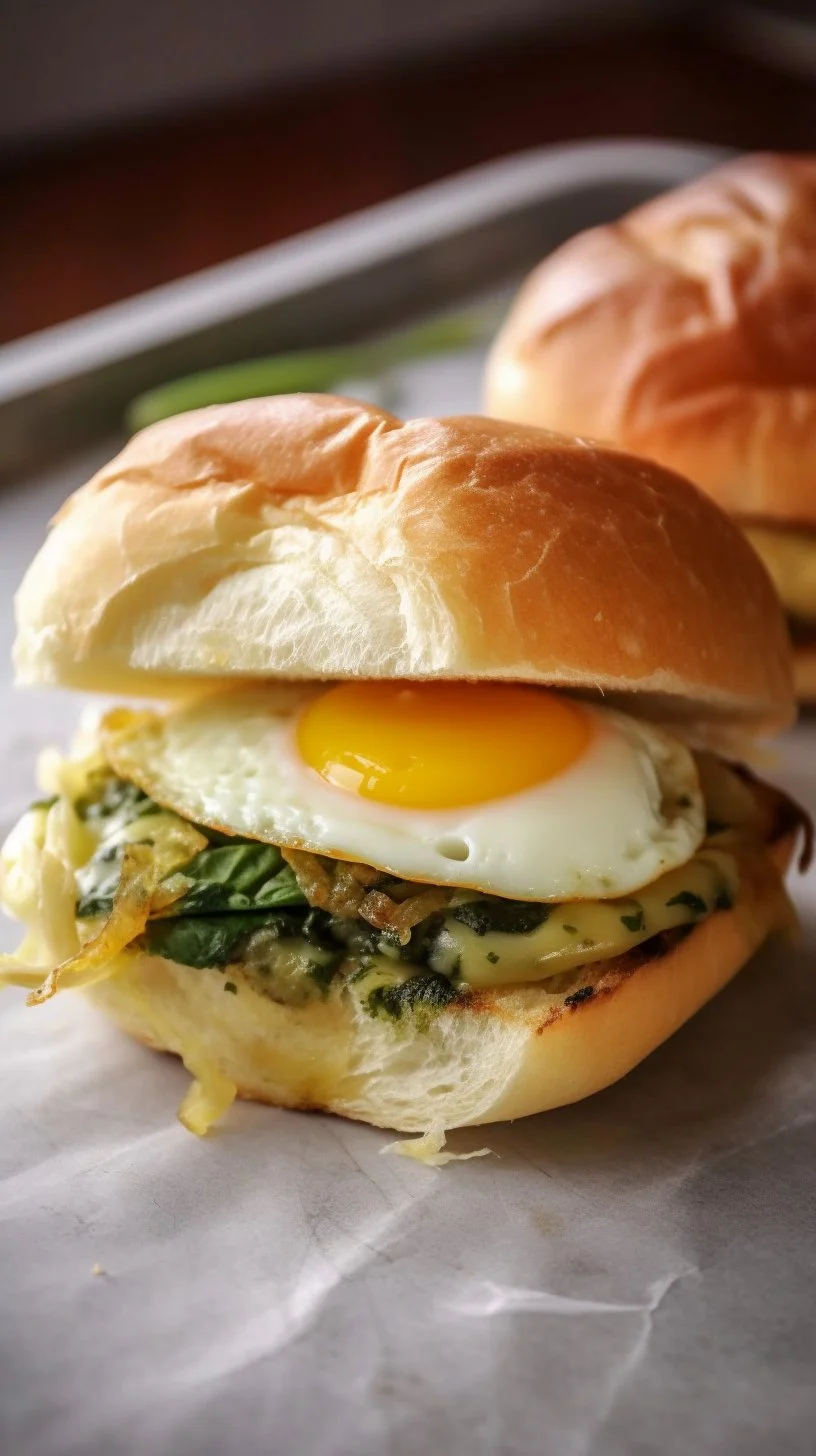
A warm, sunlit ciabatta, its crust crackling against the press of fingers; molten cheese stretching like a slow sigh; herb-scented pesto rising with each breath — the sandwich becomes a quiet morning ritual.
Why make this recipe
This sandwich marries bright, verdant pesto with tender, custardy egg patties and molten cheese, offering a textured, fragrant bite that lifts a simple breakfast into something deliberate and lovely. It’s fast enough for weekday comfort and elegant enough for a slow weekend.
How to make Starbucks Egg, Pesto & Mozzarella Sandwich
Begin with each component as an act of care: a vivid kale-basil pesto, gently seasoned egg patties, and a toasty ciabatta warmed with sweet caramelized onions and gooey cheese. Work in small batches so the eggs set with a tender, velvety interior, and let the pesto perfume the bread before assembly.
Ingredients:
- 2 cups packed kale leaves, stems removed
- 1 cup basil leaves, packed
- 1/3 cup extra virgin olive oil
- 5 cloves garlic, minced
- 1 cup grated Parmesan cheese
- Juice of 1/2 lemon
- Salt and pepper to taste
- 8 large eggs
- 3 tablespoons Greek yogurt
- 1 cup shredded Monterey Jack cheese
- 1 cup shredded Gruyere cheese
- 1 teaspoon mirin sauce
- Pinch of ginger powder
- 4 ciabatta rolls
- 1/2 cup caramelized onions
- 1/2 cup shredded mozzarella cheese
Directions:
-
Make the kale pesto: In a food processor, pulse the kale, basil, olive oil, minced garlic, grated Parmesan, lemon juice, and a pinch of salt and pepper until smooth but still bright and slightly textured. Taste and adjust salt, pepper, or lemon to brighten the green. Transfer to a bowl and set aside; its aroma should be herbaceous and slightly lemon-lifted.
-
Prepare the egg mixture: In a large bowl, whisk together the eggs, Greek yogurt, mirin, ginger powder, Monterey Jack, Gruyere, and a little salt and black pepper until glossy and uniform.
-
Cook the egg patties: Heat a large nonstick skillet over medium heat and lightly butter or oil it. Pour roughly 1/4 of the egg mixture into the skillet to form a pancake-shaped patty, about 3–4 inches across. Cook until the bottom is set and lightly golden, then gently flip and cook until just set through but still tender. Transfer to a plate and repeat with the remaining mixture, keeping finished patties warm under foil.
-
Toast the rolls: Preheat the oven to 350°F. Split the ciabatta rolls and arrange the bottoms on a baking sheet. Top each with the caramelized onions and the shredded mozzarella (the mozzarella will melt into a soft, milky blanket). Toast for 5–8 minutes or until the cheese is melted and the edges of the ciabatta are crisp and bronzed.
-
Assemble: Spread a generous layer of the kale pesto across each toasted roll bottom. Place an egg patty on top, then add a little more mozzarella if you love that pull. Cap with the roll top and press lightly so the layers marry.
How to serve Starbucks Egg, Pesto & Mozzarella Sandwich
Serve warm, ideally straight from the oven. Offer a coarse salt and freshly cracked black pepper nearby, and pair with a medium-roast coffee or a bright iced latte. Slice on the diagonal to reveal the strata of pesto, egg, and melting cheese; the first bite should give way to a warm, herbaceous steam.
How to store Starbucks Egg, Pesto & Mozzarella Sandwich
For short-term storage, wrap assembled sandwiches in parchment and refrigerate up to 24 hours. For longer storage, keep components separately: pesto in an airtight jar for up to 5 days, egg patties layered between parchment in the fridge for 2–3 days, and ciabatta in a paper bag. Reheat gently in a 350°F oven until warm, or toast in a skillet to revive the crust and melt the cheese.
Tips to make Starbucks Egg, Pesto & Mozzarella Sandwich
- Keep the egg patties tender: low and even heat prevents rubbery eggs. A touch of yogurt adds silkiness.
- Pesto texture: don’t over-process — a little texture gives a better mouthfeel than a completely smooth puree.
- Caramelized onions: cook low and slow until deep amber for sweet contrast.
- Assembly warmth: spread pesto on the warm roll so the oil blooms and carries aroma into every bite.
- Make ahead: pesto improves overnight as flavors meld; it’s your shortcut to a faster morning.
Variations (if any)
- Add crisp prosciutto or smoked salmon for a savory lift.
- Swap ciabatta for a buttery brioche roll for a richer finish.
- Use aged cheddar or smoked provolone instead of mozzarella for a bolder cheese note.
- Make it lighter with egg whites and extra basil for a brighter green pesto.
FAQs
Q: Can I make the egg patties without mirin?
A: Yes. Mirin lends a subtle sweet umami; if you don’t have it, a teaspoon of rice vinegar plus a pinch of sugar or a dash of soy sauce can approximate the depth.
Q: Can I use store-bought pesto?
A: You can, and a high-quality jarred pesto will work in a pinch — but fresh kale-basil pesto brings a verdant brightness that changes the sandwich from familiar to memorable.
Q: How do I prevent the ciabatta from becoming soggy?
A: Toast the cut sides until crisp, layer the cheese and onions first so a melted barrier forms, and spread the pesto on the toasted bottom immediately before adding the egg to minimize steam contact.
Q: Can I freeze the egg patties?
A: Yes — cool fully, freeze flat between sheets of parchment, and store in a freezer bag up to a month. Thaw overnight in the refrigerator and reheat gently.
Conclusion
If you’d like to see Starbucks’ official product description and nutrition for this sandwich, their page for the Egg, Pesto & Mozzarella Sandwich provides the details. For a home-kitchen riff and another approach to the pesto-ciabatta-egg idea, a faithful copycat version is available at Copycat Starbucks Pesto & Ciabatta Egg Bake.
There is a small, quiet joy in tending doughs and eggs — a patient, soft labor that always returns something warm and restful to the table.
Starbucks Egg, Pesto & Mozzarella Sandwich
Ingredients
Method
- In a food processor, pulse the kale, basil, olive oil, minced garlic, grated Parmesan, lemon juice, and a pinch of salt and pepper until smooth but still slightly textured. Adjust seasoning if needed.
- In a large bowl, whisk together the eggs, Greek yogurt, mirin, ginger powder, Monterey Jack cheese, Gruyere cheese, and a little salt and black pepper until glossy and uniform.
- Heat a large nonstick skillet over medium heat and lightly butter or oil it. Pour roughly 1/4 of the egg mixture to form a pancake-shaped patty. Cook until the bottom is set and lightly golden, then gently flip and cook until just set through but still tender. Transfer to a plate and keep warm.
- Preheat the oven to 350°F. Split the ciabatta rolls and arrange the bottoms on a baking sheet. Top each with caramelized onions and shredded mozzarella. Toast for 5–8 minutes until cheese is melted and edges are crisp.
- Spread a generous layer of kale pesto on each toasted roll bottom. Place an egg patty on top, add more mozzarella if desired, cap with the roll top, and press lightly.