
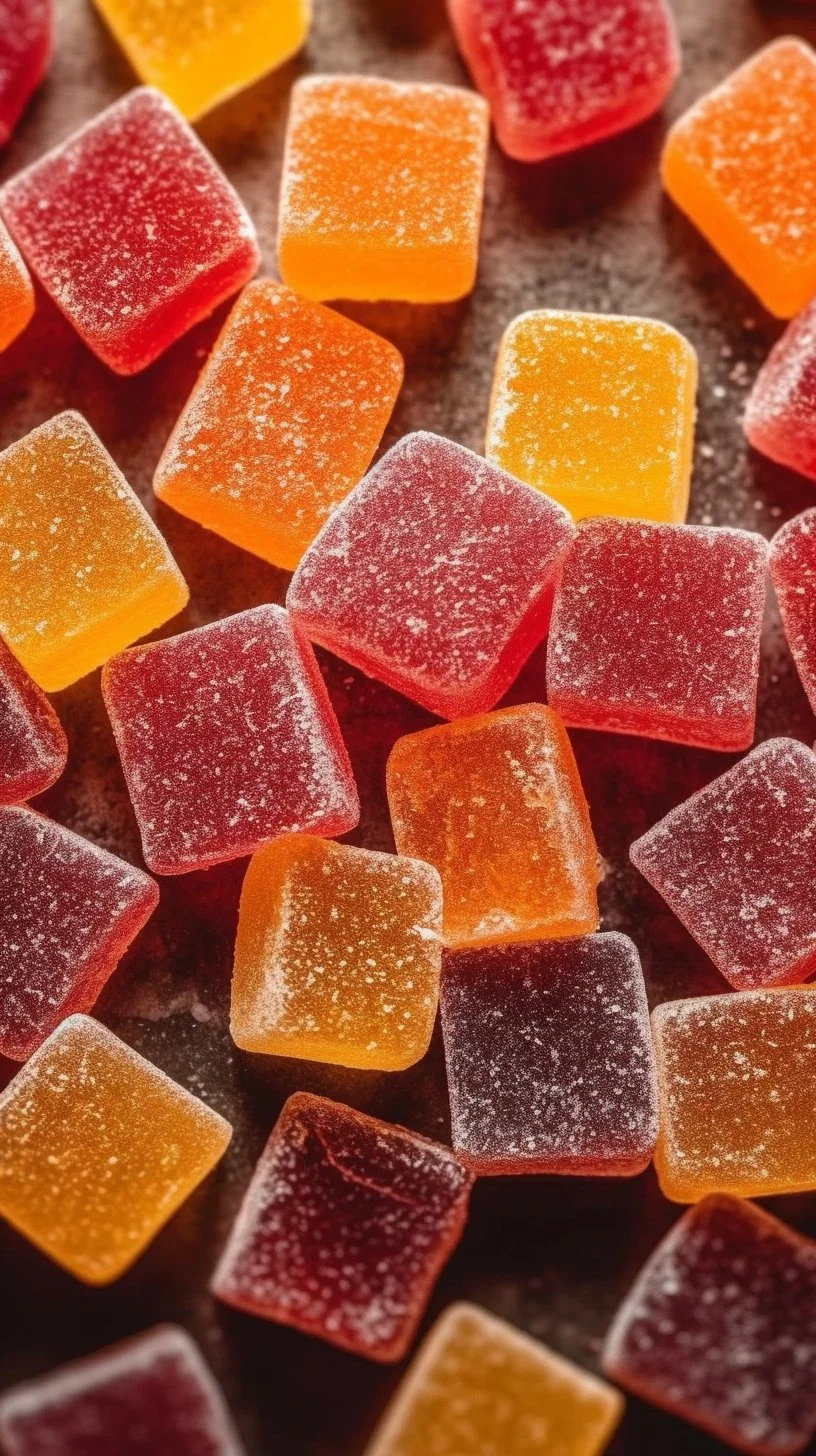
The kitchen always smells like sunshine and sugar when I make these little fruit jellies — like summer afternoons on the porch with Grandma’s stories and a jar of something sweet on the table. They’re simple, honest treats that feel like a hug from the south. Make a batch, and you’ll understand why folks pass these recipes down.
Why make this recipe
There’s a kind of slow joy in turning bright, fresh juice into tender, jewel-like jellies. These are made without corn syrup, using classic pectin and a touch of lemon to brighten the fruit — perfect for gifting, nibbling with tea, or tucking into a picnic basket. They keep that homemade charm you’ll want to share.
How to make Homemade Fruit Jellies (no corn syrup)
Ingredients:
- 2 cups fruit juice (we used orange and pomegranate)
- 1 cup granulated sugar, plus more for coating
- 3 tablespoons classic pectin*
- 1 tablespoon freshly squeezed lemon juice
Directions:
- Lightly oil an 8×8 inch or 9×9 inch baking dish and line with parchment paper and set aside.
- If you’re using freshly-squeezed juice, squeeze and strain your fruit juice.
- To a heavy-bottomed saucepan about 9 inches in diameter with a candy thermometer attached to the side, add the fruit juice and bring to a simmer.
- In a medium-sized mixing bowl, whisk together the sugar and pectin, then slowly pour the mixture into the simmering fruit juice, whisking as you go to prevent clumping or sticking to the bottom of the pan.
- Continue cooking over medium-high heat, stirring occasionally, until the mixture comes to a boil. Keep cooking until it reaches 223˚F. It will take 15-20 minutes or longer to get to the target temperature.
- Turn off the heat, then add in the lemon juice, stir, and immediately pour into the prepared 8×8 inch baking dish.
- Allow the pâte de fruit to sit uncovered at room temperature for 24-36 hours. A long period of drying out will help prevent weeping (moisture coming out) after they are rolled in sugar.
- Spray a knife with cooking spray or lightly coat with oil and cut the pâte de fruit block into squares that are roughly 1.5-inches x 1.5-inches. Add about half cup of sugar to a plate and place each square into the sugar, flipping it over and coating all sides.
- Storage: Keep these in an airtight container at room temperature, where they will keep for up to 2 weeks.
How to serve Homemade Fruit Jellies (no corn syrup)
Serve them on a small plate beside afternoon tea or coffee, tuck a few into a mason jar for a neighbor, or pair them with simple butter cookies at a family gathering. They’re small enough to savor slowly, and pretty enough to sit on a dessert tray with a sprinkle of sugared berries.
How to store Homemade Fruit Jellies (no corn syrup)
Store in a single layer in an airtight container at room temperature for up to two weeks. If stacking, separate layers with parchment to keep them from sticking. Long-term refrigeration isn’t necessary and can make them firmer than intended.
Tips to make Homemade Fruit Jellies (no corn syrup)
- Use ripe, flavorful juice: Freshly squeezed will give the best fruit character, but good-quality bottled juice works fine.
- Prevent pectin clumps: Always whisk the sugar and pectin together first, then add slowly to the hot juice while whisking.
- Watch the thermometer: Hitting 223°F is key — be patient and keep the heat steady so it doesn’t scorch.
- Drying time matters: Letting the block rest 24–36 hours at room temperature helps the jellies set well and reduces weeping after sugaring.
Variations (if any)
- Mix-and-match juices: Try strawberry, raspberry, peach, or mango for lovely colors and flavors.
- Layered jellies: Pour one flavor to set partially, then add another for two-toned treats.
- Lightly flavored: Add a splash of vanilla or a few drops of rosewater for a delicate twist.
FAQs
Q: Can I use low- or no-sugar juice?
A: Low-sugar juices may change the set because the sugar balances the pectin. If using reduced-sugar juice, expect a softer set; you might need to adjust pectin and sugar ratios carefully.
Q: What is classic pectin, and can I use powdered or liquid pectin interchangeably?
A: Classic pectin here refers to a powdered, cook-to-set pectin. Different pectins have different setting powers and instructions, so follow the package directions if substituting. Liquid pectin usually gets added at the end and follows a different method.
Q: Why did my jellies weep after sugaring?
A: Weeping is often from insufficient drying time. Let the pâte de fruit sit uncovered for the full 24–36 hours so excess moisture evaporates before cutting and sugaring.
Q: Can I make these vegan and allergy-friendly?
A: This recipe is naturally vegan (no gelatin) if you use fruit juice and plant-based sugar. Check your pectin for any cross-contamination notes if allergies are a concern.
Q: How do I know when the jellies are done cooking?
A: The thermometer should reach 223°F. The mixture will look glossy and reduced. If you make a small spoonful test in cold water, it should form a soft, set blob — but rely on temperature for the most consistent results.
Conclusion
There’s something tender about making candy at home — it’s slow, thoughtful work that yields little treasures to share. If you’d like a deeper look at pâte de fruits and the traditions behind them, read this guide to Pâte de Fruits — what they are and how to make them. And if you want another corn-syrup-free approach to homemade jellies, this recipe collection is a lovely companion: Homemade Pâtes de Fruits (no corn syrup) – Crowded Kitchen.
Come by the kitchen sometime — I’ll have a jar of these ready and a memory to share.
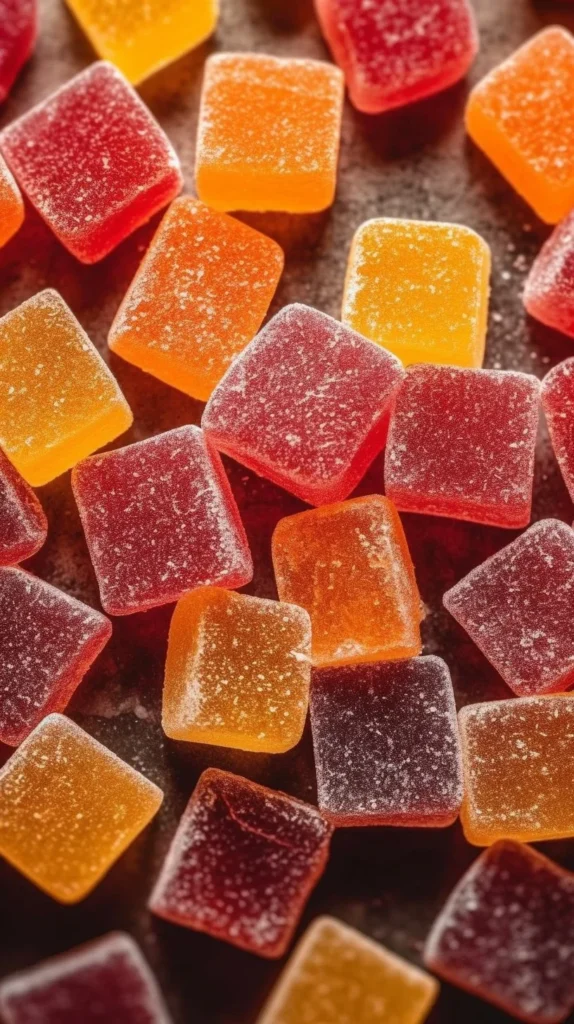
Homemade Fruit Jellies
Ingredients
Method
- Lightly oil an 8x8 inch or 9x9 inch baking dish and line with parchment paper; set aside.
- If using freshly-squeezed juice, squeeze and strain your fruit juice.
- In a heavy-bottomed saucepan with a candy thermometer attached, add the fruit juice and bring to a simmer.
- In a medium bowl, whisk together the sugar and pectin, then slowly pour into the simmering fruit juice while whisking to prevent clumping.
- Cook over medium-high heat, stirring occasionally, until the mixture boils and reaches 223°F, which may take 15-20 minutes.
- Turn off the heat, stir in the lemon juice, and pour into the prepared baking dish.
- Allow the pâte de fruit to sit uncovered at room temperature for 24-36 hours to dry and set.
- Spray a knife with cooking spray or coat with oil and cut the pâte de fruit block into approximately 1.5-inch squares.
- Coat each square in sugar, flipping to cover all sides.