
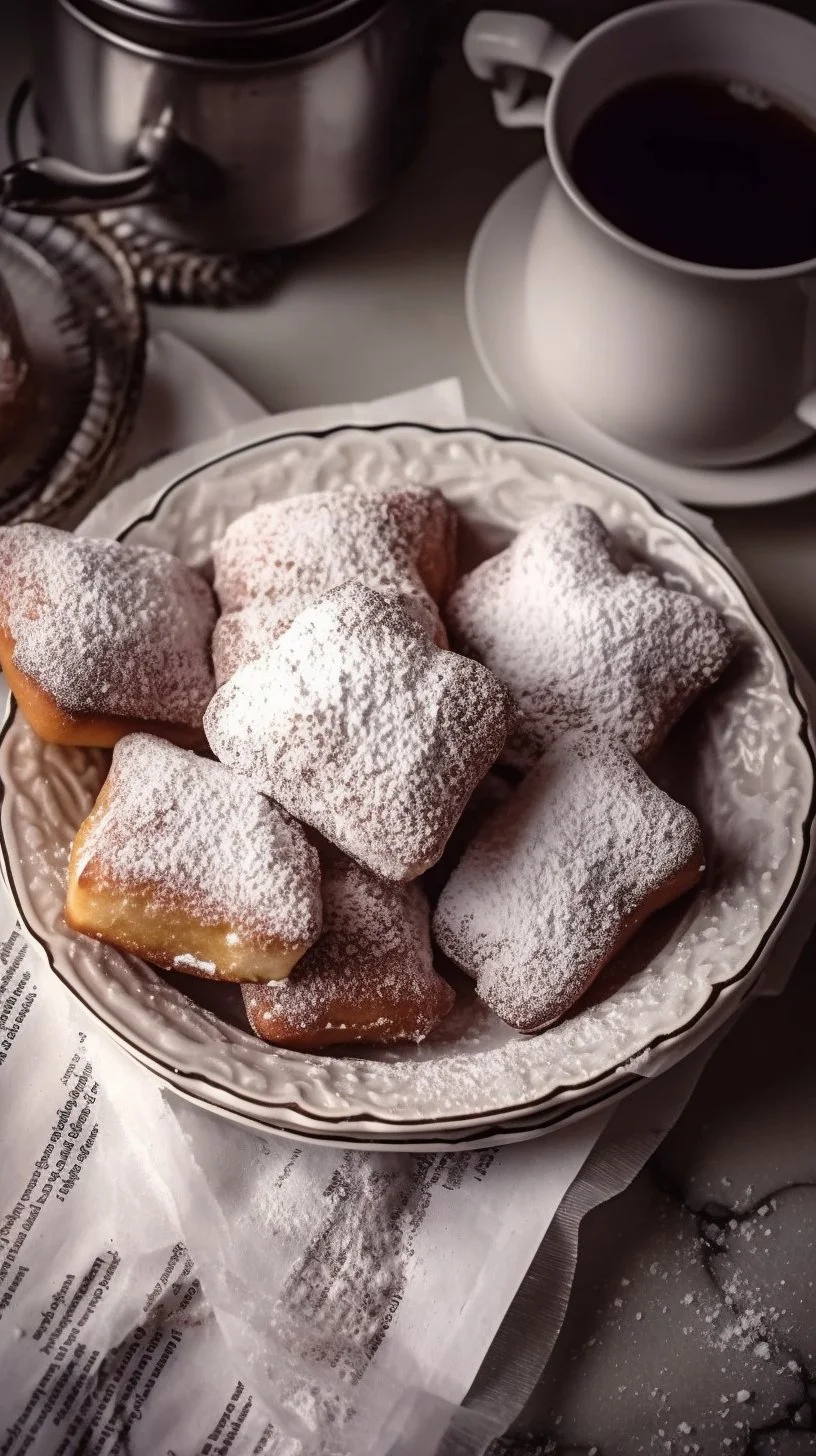
I remember the first time I bit into a pillow of warm dough dusted in snowfall sugar — it felt like stepping into a slow-moving film where every frame smelled like vanilla and fried dough. These doughnuts are that little cinematic moment at home: round, airy, and impossibly tender. Make a batch, and you’ll turn an ordinary morning into a gentle celebration.
Why make this recipe
Because these doughnuts (think beignet-style squares) deliver comfort and theater in every bite: crisp edges, pillowy centers, and a cloud of powdered sugar that melts into warm pockets of dough. They’re approachable — no fancy equipment — and perfect for sharing with family or guests when you want something nostalgic and a bit show-stopping.
How to make Doughnut Recipe
Start by building a soft, slightly sticky dough that blooms as it proofs. The yeast and warm milk give you a tender crumb, while a little butter and vanilla add that homey, aromatic lift. After a patient rise, rolling the dough to a half-inch thickness and cutting small squares produces those signature beignet-like doughnuts with crisp edges and fluffy interiors. Fry quickly at 350°F until golden, then toss in powdered sugar so each piece wears a snowy coat that dissolves on the tongue.
Ingredients:
- 3¾ –4 cups all-purpose flour (480 g)
- ¾ cup + 2 Tbsp warm whole milk (110°F)
- ⅓ cup granulated sugar
- 1 large egg
- 1¼ tsp salt
- 2¼ tsp instant yeast
- 3 Tbsp unsalted butter (softened)
- 1 tsp vanilla extract
- Neutral oil for frying (about 2 inches deep)
- Powdered sugar (for dusting)
Directions:
- Combine dry ingredients.
- Add warm milk, egg, butter, and vanilla. Knead until smooth.
- Let dough rise in an oiled bowl until doubled (1 to 1.5 hours).
- Roll dough to ½" thick. Cut into 2–2½" squares.
- Heat oil to 350°F. Fry beignets in batches, 1–2 minutes per side.
- Drain on paper towels. Dust with powdered sugar and serve warm.
How to serve Doughnut Recipe
Serve these straight from the paper towels, steaming slightly and dusted with more powdered sugar. Pair with a strong coffee, a rich hot chocolate, or a bright citrus tea to cut the richness. For a brunch spread, place them on a platter with bowls of berry jam, honey, and a chocolate sauce for dunking — guests will love the DIY element.
How to store Doughnut Recipe
These are best the day they’re made. If you must keep leftovers, store in an airtight container at room temperature for up to 24 hours; they’ll soften and lose a bit of crispness. To refresh, reheat briefly in a 350°F oven for 5–7 minutes to regain slight crispness, then dust with powdered sugar. Freezing is possible before frying: flash-freeze cut squares on a tray, then transfer to a bag for up to 1 month; fry from frozen, adding 30–60 seconds to the fry time.
Tips to make Doughnut Recipe
- Use a thermometer to keep your milk at ~110°F so the yeast blooms without killing it.
- Don’t over-flour when rolling — a light dusting prevents sticking but keeps the dough tender.
- Maintain oil at 350°F; cooler oil leads to greasy doughnuts, hotter oil burns the outside before the inside cooks.
- Fry in small batches and don’t overcrowd the pan so temperature stays steady.
- For extra airiness, let the dough rest 10 minutes after rolling and before cutting to relax the gluten.
Variations
- Cinnamon Sugar: Toss warm squares in a blend of cinnamon and granulated sugar instead of powdered sugar.
- Filled: After frying, use a piping bag to fill each with jam, chocolate ganache, or pastry cream.
- Citrus Zest: Add a teaspoon of lemon or orange zest to the dough for a bright, aromatic note.
- Savory Twist: Reduce sugar slightly and add a pinch of nutmeg; serve with a herbed cream cheese for brunch.
FAQs
Q: Can I substitute active dry yeast for instant yeast?
A: Yes. Use the same amount (2¼ tsp) but proof it first: whisk into the warm milk with a pinch of sugar and let sit 5–10 minutes until foamy before adding to the dry ingredients.
Q: How do I know the oil is the right temperature if I don’t have a thermometer?
A: Drop a small piece of dough into the oil — it should sizzle and float up within 10–15 seconds and begin to turn light golden within a minute. If it browns too quickly, the oil is too hot.
Q: My dough feels sticky. Should I add more flour?
A: A slightly tacky dough is okay and yields tender doughnuts. Add flour sparingly — a tablespoon at a time — if it’s unmanageably sticky, but avoid making the dough stiff.
Q: Can I make these gluten-free?
A: This recipe is developed for all-purpose wheat flour. For gluten-free, use a tested 1:1 gluten-free flour blend with xanthan gum and expect a different texture; proofing and handling may vary.
Conclusion
If you love the classic New Orleans beignet vibe and want a few more techniques or inspiration, this New Orleans-style beignets recipe from Baker by Nature is a lovely companion to explore advanced tips and variations. For a reliable, home-kitchen approach to beignets that complements this doughnut recipe, check out the thorough guidance at Simply Recipes’ New Orleans Beignets.
Breathe in the warm, sugary steam — these doughnuts are small rituals of joy meant to be shared.
Doughnut Recipe
Ingredients
Method
- Combine dry ingredients.
- Add warm milk, egg, butter, and vanilla. Knead until smooth.
- Let dough rise in an oiled bowl until doubled (1 to 1.5 hours).
- Roll dough to ½" thick. Cut into 2–2½" squares.
- Heat oil to 350°F. Fry beignets in batches, 1–2 minutes per side.
- Drain on paper towels. Dust with powdered sugar and serve warm.