
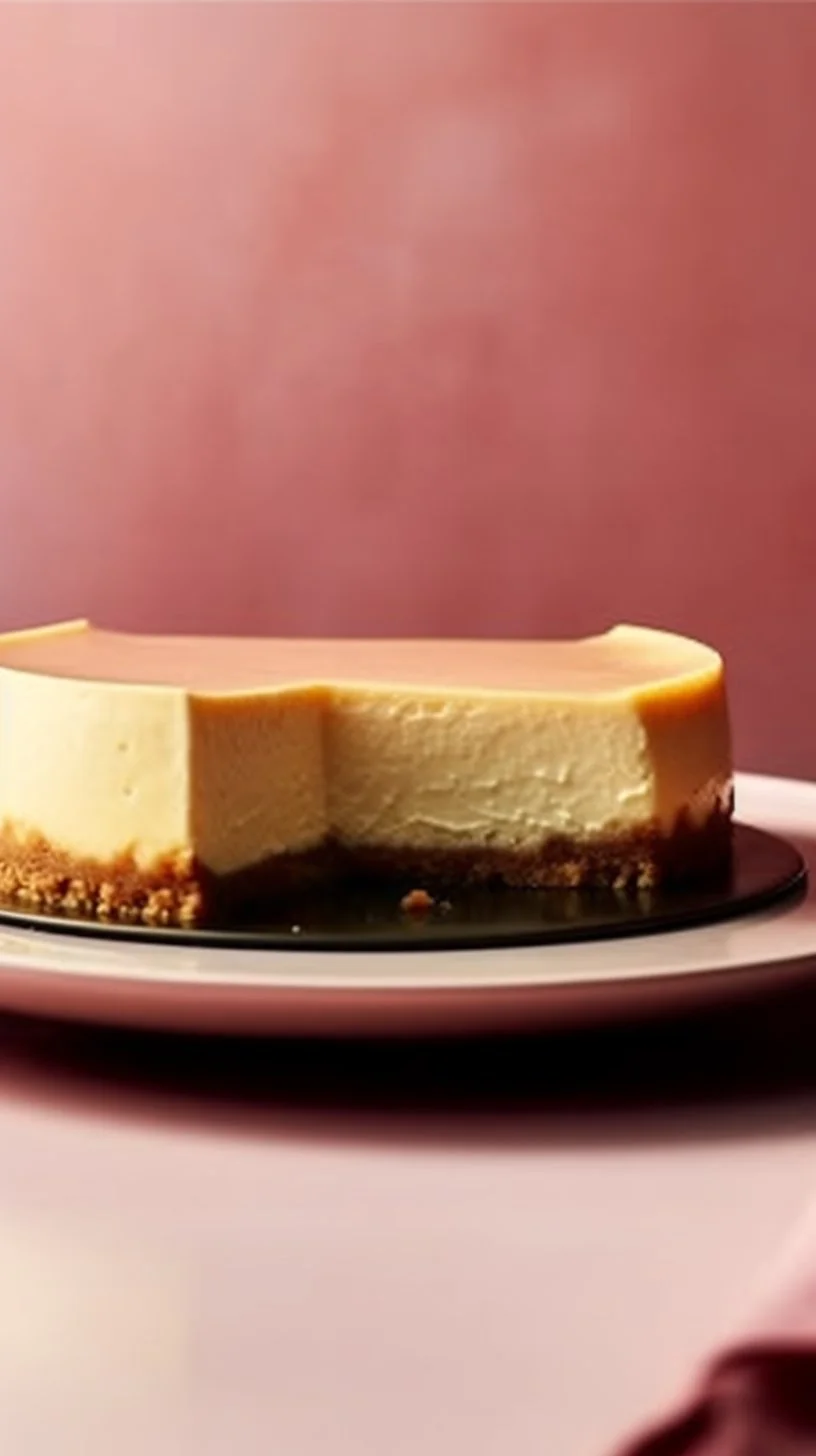
There’s a certain hush that settles over a kitchen when a cheesecake bakes — warm, comforting, like Sunday supper at Granny’s. This classic cheesecake recipe feels like family: simple, honest, and just a little bit indulgent.
Why make this recipe
Because it’s the kind of dessert that brings people to the table and keeps them talking. This cheesecake has a tender, creamy center, a buttery graham crust, and enough old-fashioned charm to make any occasion feel like home. It’s straightforward, dependable, and one of those recipes you’ll hand down to someone you love.
How to make Best Classic Cheesecake Recipe
Ingredients:
- 1 and 1/2 cups (180g) graham cracker crumbs (about 12 full-sheet graham crackers)
- 1/4 cup (50g) granulated sugar
- 5 Tablespoons (71g) unsalted butter, melted
- 32 ounces (904g) full-fat brick cream cheese, softened to room temperature
- 1 cup (200g) granulated sugar
- 1 cup (240g) full-fat sour cream, at room temperature
- 1 teaspoon pure vanilla extract
- 2 teaspoons fresh lemon juice (optional, but recommended)
- 3 large eggs, at room temperature
Directions:
- Adjust the oven rack to the lower-middle position and preheat oven to 350°F (177°C).
- If you’re starting out with full graham crackers, use a food processor or blender to grind them into fine crumbs. Pour into a medium bowl and stir in the sugar until combined, and then stir in the melted butter. Mixture will be sandy. Try to smash/break up any large chunks. Pour into an ungreased 9-inch or 10-inch springform pan. With medium pressure using your hand, pat the crumbs down into the bottom and partly up the sides to make a compact crust. Do not pack down with heavy force because that makes the crust too hard. Simply pat down until the mixture is no longer crumby/crumbly (you can use the flat bottom of a small measuring cup to help smooth it out if needed). Bake for 10 minutes. Remove from the oven and set aside while you prepare the filling.
- In a large bowl using a handheld or stand mixer fitted with a paddle attachment, beat the cream cheese and granulated sugar together on medium-high speed until the mixture is smooth and creamy, about 2 minutes. Add the sour cream, vanilla extract, and lemon juice and beat until fully combined. With the mixer on medium speed, add the eggs one at a time, beating after each addition until just combined. Stop the mixer as soon as the final egg is fully incorporated into the batter; over-mixing can cause the cheesecake to deflate. You will have nearly 6 cups of batter.
- (If needed for extra visuals, see How to Make a Cheesecake Water Bath; the visual guide and video will assist you in this step.) Boil a kettle/pot of water. You need 1 inch of water in your roasting pan for the water bath, so make sure you boil enough. I use an entire kettle of hot water. As the water is heating up, wrap 1 or 2 sheets of heavy-duty aluminum foil around the springform pan—be careful if it’s still warm from baking the crust! Place the wrapped springform pan inside of a large roasting pan. Pour the cheesecake batter on top of the crust. Use a spatula to smooth it into an even layer. Carefully pour the hot water inside of the pan and place in the oven. (Or you can place the roasting pan in the oven first, then pour the hot water in—whichever is easier for you.)
- Bake the cheesecake for 55–70 minutes or until the center is almost set. If you notice the cheesecake browning too quickly on top, tent it with aluminum foil halfway through baking. When it’s done, the center of the cheesecake should still slightly wobble if you gently tap or shake the pan. Turn the oven off and open the oven door slightly. With the door ajar, let the cheesecake sit in the oven in the water bath as it cools down for 1 hour. After 1 hour, remove from the oven and water bath, discard the foil, and place the springform pan on a cooling rack to cool completely at room temperature. When it has cooled, cover and refrigerate the cheesecake for at least 4 hours or up to 2 days.
- Run a knife around the edges of the springform pan to help loosen the cheesecake, then remove the outer rim. Using a sharp knife, cut into slices for serving. For neat slices, wipe the knife clean and dip it into warm water between each slice.
- Serve cheesecake with desired toppings (see Note). Cover and store leftover cheesecake in the refrigerator for up to 4 days.
How to serve Best Classic Cheesecake Recipe
Serve slices simply: a dollop of whipped cream, a dusting of powdered sugar, or a spoonful of warm fruit compote — strawberry, blueberry, or a peach compote for that Southern touch. A drizzle of caramel or a few toasted pecans makes a pretty finish when company comes.
How to store Best Classic Cheesecake Recipe
Wrap the chilled cheesecake (or cake slices) tightly with plastic wrap or keep it in an airtight container. It will keep beautifully in the refrigerator for up to 4 days. For longer storage, cheesecake can be frozen for up to 1 month — wrap slices individually and thaw overnight in the fridge before serving.
Tips to make Best Classic Cheesecake Recipe
- Bring cream cheese, sour cream, and eggs to room temperature before mixing — it keeps the batter silky and helps avoid lumps.
- Don’t overbeat once the eggs go in; gentle folding after each egg keeps the texture light and prevents cracks.
- Use a water bath to moderate oven temperature and reduce surface cracks. Wrapping the springform pan prevents water seeping in.
- Cool the cheesecake slowly — sudden temperature changes invite cracks. Let it rest in the turned-off oven, then on the counter, then in the fridge.
- For tidy slices, warm your knife between cuts and wipe it clean.
Variations
- Lemon-vanilla: Add an extra teaspoon of lemon zest to the batter for bright citrus notes.
- Berry topping: Simmer berries with a little sugar and lemon juice for a rustic compote.
- Pecan praline: Top with toasted pecans and a buttery caramel sauce for a Southern spin.
- Chocolate swirl: Melt 4 ounces of semisweet chocolate and gently swirl into the finished batter before baking.
FAQs
Q: Why did my cheesecake crack on top?
A: Most cracks come from overmixing the batter, baking at too-high a temperature, or cooling too quickly. Use a water bath, avoid overbeating after adding eggs, and cool the cake slowly with the oven door slightly ajar.
Q: Can I use a store-bought crust?
A: Absolutely — a pre-made graham crust saves time and still tastes lovely. If using one, you can skip the crust-baking step and go straight to pouring in the batter.
Q: How do I know when the cheesecake is done?
A: The center should still have a slight wobble when you gently shake the pan. It will continue to set as it cools.
Q: Can I make this ahead for a party?
A: Yes. Bake the day before and refrigerate — it’s even better after resting. Bring it out an hour before serving for easier slicing and a creamier mouthfeel.
Q: Can I freeze this cheesecake?
A: Yes. Wrap tightly and freeze up to 1 month. Thaw overnight in the fridge before serving.
Conclusion
There’s a kind of comfort in making a cheesecake from scratch — it’s slow, patient work that tastes like love. If you’d like another go-to classic for comparison, I often peek at Sugar Spun Run’s Best Cheesecake Recipe for tips and variations. For a version with a helpful video walkthrough, I also keep Sally’s Baking Addiction’s Best Cheesecake Recipe (With Video) bookmarked. Pull up a chair, slice a piece, and let the kitchen fill with the sort of warmth that makes memories.
Classic Cheesecake
Ingredients
Method
- Adjust the oven rack to the lower-middle position and preheat the oven to 350°F (177°C).
- Grind graham crackers into fine crumbs using a food processor or blender.
- In a medium bowl, mix graham cracker crumbs with granulated sugar, then add melted butter and combine until sandy.
- Press the mixture into the bottom and partly up the sides of an ungreased 9-inch or 10-inch springform pan.
- Bake for 10 minutes and then set aside to cool.
- In a large bowl, beat cream cheese and granulated sugar on medium-high speed until smooth and creamy, about 2 minutes.
- Add sour cream, vanilla extract, and lemon juice; beat until fully combined.
- Add eggs one at a time, beating gently after each addition until just combined.
- Wrap the springform pan with aluminum foil to prevent water seeping in.
- Place the wrapped pan inside a large roasting pan and pour the cheesecake batter on top of the crust.
- Carefully add boiling water to the roasting pan to create a water bath.
- Bake for 55–70 minutes or until the center is slightly set and wobbles when tapped.
- Turn off the oven, open the door slightly, and let the cheesecake cool in the oven for 1 hour.
- Remove from the oven, discard foil, and cool completely at room temperature. Refrigerate for at least 4 hours or up to 2 days.
- Run a knife around the edges of the springform pan and remove the outer rim. Cut into slices for serving.
- Serve with toppings like whipped cream, powdered sugar, or fruit compote.