
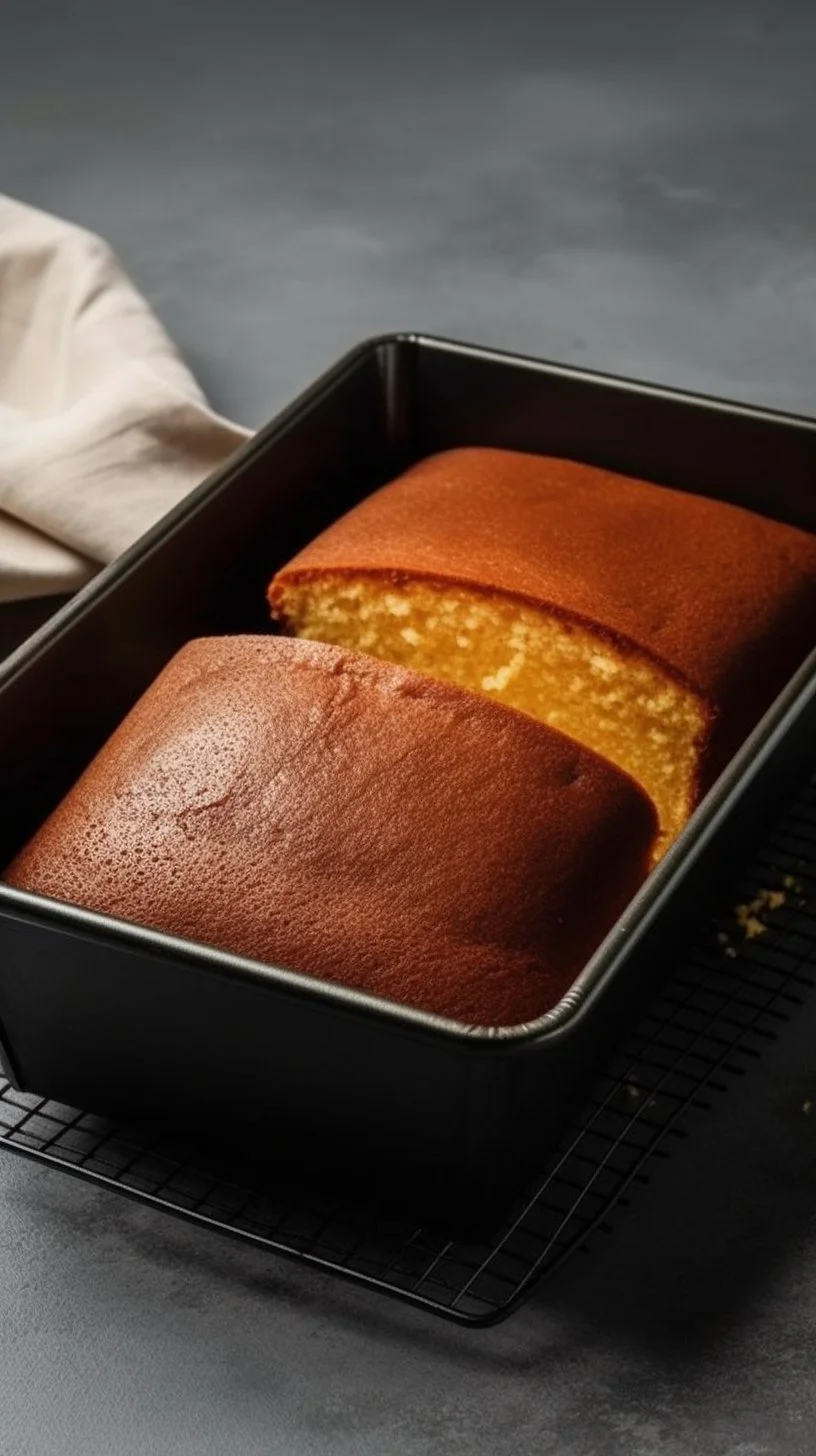
In the gentle embrace of a warm kitchen, the air thickens with the sweet whispers of nostalgia and joy. Butter cake, with its tender crumb and rich flavor, invites moments of sweetness into our lives. Each bite offers a taste of simplicity and warmth, a soft reminder of home.
Why make this recipe
The beauty of butter cake lies not just in its sublime flavors but in its ability to transport us to cherished memories. As the rich aromas waft through your kitchen, this cake becomes a celebration of love and togetherness, a canvas upon which you can paint your own sweet story. Whether shared with friends over tea or savored alone with a whispered sigh, its buttery goodness envelops all who partake in its warmth.
How to make Butter Cake
To create this buttery masterpiece, follow a few simple steps that weave together the essence of baking, achieving a delicate balance of flavors that dance delightfully on the palate.
Ingredients:
- 2 cups all-purpose flour (250g)
- 1 cup granulated sugar (200g)
- 1 cup unsalted butter (226g), softened
- 4 large eggs
- ½ cup whole milk (120ml)
- 2 tsp baking powder
- 1 tbsp vanilla extract
- A pinch of salt
Directions:
Prepare your square pan with a loving touch—grease it generously and invite parchment paper to line its bottom, creating a warm haven for the soon-to-be-baked delight. Begin by creaming the softened butter and sugar together in a mixing bowl, coaxing them to transform into a pale, fluffy cloud. With each whip, imagine the sunlight breaking through a soft morning mist.
One by one, add the eggs, allowing the batter to thicken and become smooth after each addition. Stir in the fragrant vanilla, taking a moment to inhale its intoxicating aroma.
In a separate bowl, sift the flour, baking powder, and a pinch of salt as you watch them cascade through your fingers like fine snow. Gently fold half of the dry ingredients into your creamy batter, then introduce the milk, stirring until the mixture is harmoniously blended. With care, fold in the remaining flour until the batter is a smooth canvas, thick and inviting.
Transfer this velvety mixture into your prepared pan, leveling the top to create an even surface. Place it in a preheated oven set to 170°C (340°F) and let it bask in the gentle heat for 35 to 45 minutes, or until a skewer comes out clean, its top kissed by golden warmth. Once completed, allow your cake to cool in the pan for a tranquil 10 minutes before transferring it to a rack, where it will continue to cool completely, filling your home with its sweet allure.
How to serve Butter Cake
Butter cake stands proudly on its own, yet it blossoms even further when accompanied by dollops of freshly whipped cream, ripe berries, or perhaps a drizzle of rich chocolate ganache. For a touch of elegance, serve slices adorned simply with powdered sugar or a zest of citrus, each bite a perfect harmony of butteriness and the essence of simplicity.
How to store Butter Cake
Store your butter cake in an airtight container at room temperature, where it will maintain its delightful texture for up to four days. For longer preservation, wrap it securely in plastic wrap and freeze. When ready to indulge, let it thaw at room temperature, resuming its soft embrace as if the time apart had never happened.
Tips to make Butter Cake
- Ensure your butter is perfectly softened, not melted, to achieve the best texture.
- Be gentle when folding the dry ingredients into the batter to keep that airy lightness.
- For an extra touch of flavor, try incorporating lemon or almond extract along with the vanilla.
Variations
The charm of butter cake is its versatility—infuse it with your favorites. Consider adding in fresh citrus zest for a lively lift or folding in chocolate chips to delight chocolate lovers. For a seasonal touch, a hint of spice, such as cinnamon or nutmeg, can weave warmth into every bite.
FAQs
Q1: Can I substitute the butter for oil in this recipe?
A: While butter contributes a depth of flavor, you may substitute it with oil, but it may yield a slightly different texture. Aim for a neutral oil to maintain the original flavors.
Q2: Can I use whole wheat flour instead of all-purpose flour?
A: Yes, you can substitute up to half of the all-purpose flour with whole wheat flour for a heartier texture. However, be aware it may alter the cake’s lightness.
Q3: How can I achieve a denser cake?
A: To create a denser butter cake, you may reduce the amount of baking powder and incorporate more flour; however, do so judiciously to preserve moistness.
With each layer of flour and butter, a story is told—the art of baking encapsulates patience, creativity, and love. As you savor the presence of your butter cake, let it remind you that beauty comes not only from the final creation but also from the tender moments leading up to it.
Butter Cake
Ingredients
Method
- Preheat your oven to 170°C (340°F) and grease a square pan, lining the bottom with parchment paper.
- In a mixing bowl, cream together the softened butter and sugar until pale and fluffy.
- Add the eggs, one at a time, mixing until smooth after each addition.
- Stir in the vanilla extract.
- In another bowl, sift the flour, baking powder, and salt.
- Fold half of the dry ingredients into the batter, then add the milk and stir until blended.
- Fold in the remaining flour until the batter is smooth.
- Transfer the batter to the prepared pan and level the top.
- Bake in the preheated oven for 35 to 45 minutes, or until a skewer comes out clean.
- Allow the cake to cool in the pan for 10 minutes before transferring to a wire rack to cool completely.