
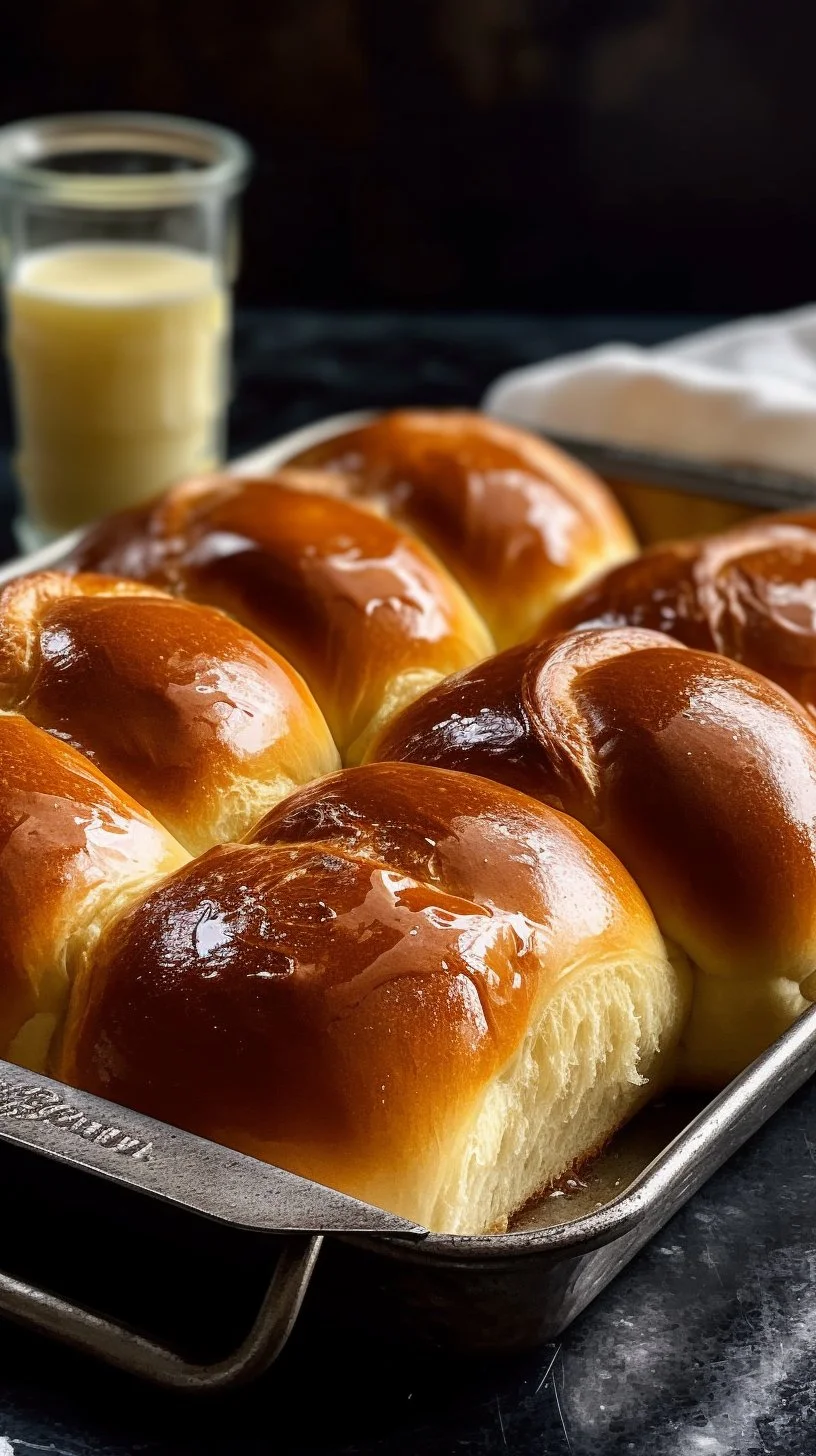
I can still remember the first warm loaf I pulled from the oven—the scent of butter and tiny caramelized sugars filling the kitchen like a movie scene unfolding in slow motion. That moment, hands dusted with flour, is why I bake brioche: it feels like giving the people I love a soft, golden sunrise.
Why make this recipe
Brioche is the kind of bread that reads like indulgence but eats like comfort. It’s rich yet tender, perfect for everything from lavish French toast to simple, smearable butter and jam. This version is hands-on and reliably rewarding—ideal for bakers who want that cinematic crust and pillowy crumb without fussing over too many techniques.
How to make Brioche
Ingredients:
- 2/3 cup heavy cream at room temperature
- 1 cup milk plus 1 tablespoon at room temperature
- 1 large egg at room temperature
- 1/3 cup sugar
- 4 cups all-purpose flour or a combination of 1/2 cup cake flour and 3 1/2 cups bread flour
- 1 tablespoon active dry yeast or instant yeast
- 1 1/2 teaspoons salt
- 1 beaten egg with 1 teaspoon water (for egg wash)
- 1 tablespoon sugar dissolved in 1 tablespoon hot water (for simple syrup)
Directions:
- In a stand mixer bowl, add heavy cream, milk, egg, sugar, cake flour, bread flour, yeast, and salt in order. Knead for 15 minutes. Add flour if dough sticks.
- Cover dough with a damp towel and let it proof in a warm spot until doubled, about 1–2 hours.
- Grease two baking vessels with butter.
- Remove air bubbles from dough by stirring in the mixer for 5 minutes. Divide and shape dough into rectangles, cutting for loaves or rolls. Arrange in prepared pans and let it proof for another hour.
- Preheat oven to 350°F (175°C). Brush dough with egg wash and bake for 23–25 minutes until golden brown.
- Brush warm brioche with simple syrup before serving.
How to serve Brioche
Serve slices warm so the crumb feels pillowy on the tongue. For a weekend brunch, slice thick and pan-sear in butter for golden, custardy French toast. For afternoon tea, split and slather with salted butter and a glossy jam. Brioche also shines with savory pairings—think a soft-boiled egg or thinly sliced ham and sharp mustard on buttered bread.
How to store Brioche
Let the loaf cool completely, then wrap tightly in plastic or store in an airtight container at room temperature for up to 2 days. For longer storage, slice and freeze in a zip-top bag for up to 3 months; toast or gently reheat slices from frozen. To refresh slightly stale brioche, wrap in foil and warm in a 300°F oven for 8–10 minutes.
Tips to make Brioche
- Use room-temperature dairy and egg so the dough comes together smoothly and the yeast activates evenly.
- If your dough seems sticky after the full knead, add a tablespoon of flour at a time—brioche should be soft but manageable.
- Proof in a warm, draft-free spot. An oven with just-boiled water inside or an oven light on creates a gentle, consistent warmth.
- Don’t rush the second proof—this is when the brioche builds its airy, tender crumb.
- Brush with egg wash right before baking for that glossy, cinematic crust; the simple syrup after baking gives a faint sweet shine and keeps the crust soft.
Variations
- Chocolate-hazelnut brioche: tuck in ribbons of chocolate spread and chopped toasted hazelnuts before the final proof.
- Citrus-scented: fold in a teaspoon of orange or lemon zest and a splash of vanilla for bright notes.
- Savory herbed brioche: omit the sugar in the dough and fold in chopped rosemary and grated parmesan for a savory twist.
FAQs
Q: Can I make this brioche by hand without a stand mixer?
A: Yes. Knead by hand for about 20–25 minutes until the dough is smooth and elastic. The dough will be soft—use light flouring and a bench scraper to help manage it.
Q: Can I use instant yeast instead of active dry?
A: Absolutely. Instant yeast can be mixed straight into the dry ingredients; it generally works faster, so keep an eye on proofing times.
Q: Why does my brioche come out dense?
A: Common causes are under-kneading, insufficient proofing, or using too much flour. Make sure the dough becomes elastic during kneading and allow it to double in size during the first proof.
Q: Can I make this dough ahead of time?
A: Yes—after the first knead, you can refrigerate the dough overnight (covered). The cold proof will deepen flavor; take it out to come to room temperature and then proceed with shaping and the second proof.
Q: How do I get an evenly browned crust?
A: Even egg wash, preheating the oven thoroughly, and placing the loaf on the center rack all help. If the top browns too fast, tent loosely with foil for the last 5–10 minutes of baking.
Conclusion
If you want another tested take on classic brioche proportions and step-by-step guidance, I often compare notes with a helpful resource like a tested brioche recipe from The Flavor Bender. For a quick dive into the history and variations of brioche around the world, see the brioche entry on Wikipedia.
Breathe in that buttery aroma, slice into the glowing crumb, and know you made something small and glorious—enjoy every golden bite.
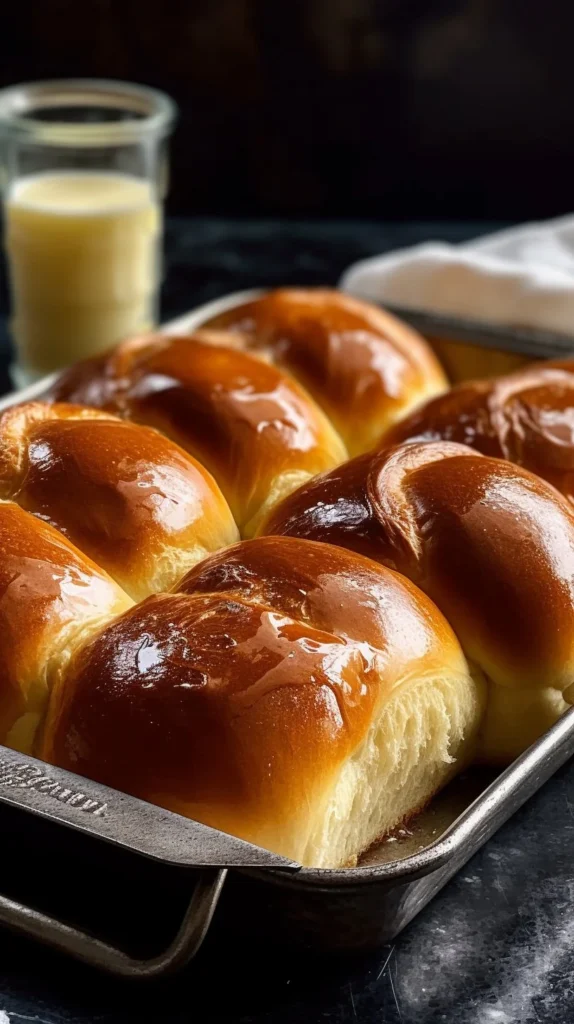
Classic Brioche
Ingredients
Method
- In a stand mixer bowl, add heavy cream, milk, egg, sugar, cake flour, bread flour, yeast, and salt in order. Knead for 15 minutes. Add flour if dough sticks.
- Cover dough with a damp towel and let it proof in a warm spot until doubled, about 1–2 hours.
- Grease two baking vessels with butter.
- Remove air bubbles from dough by stirring in the mixer for 5 minutes. Divide and shape dough into rectangles, cutting for loaves or rolls. Arrange in prepared pans and let it proof for another hour.
- Preheat oven to 350°F (175°C). Brush dough with egg wash and bake for 23–25 minutes until golden brown.
- Brush warm brioche with simple syrup before serving.