
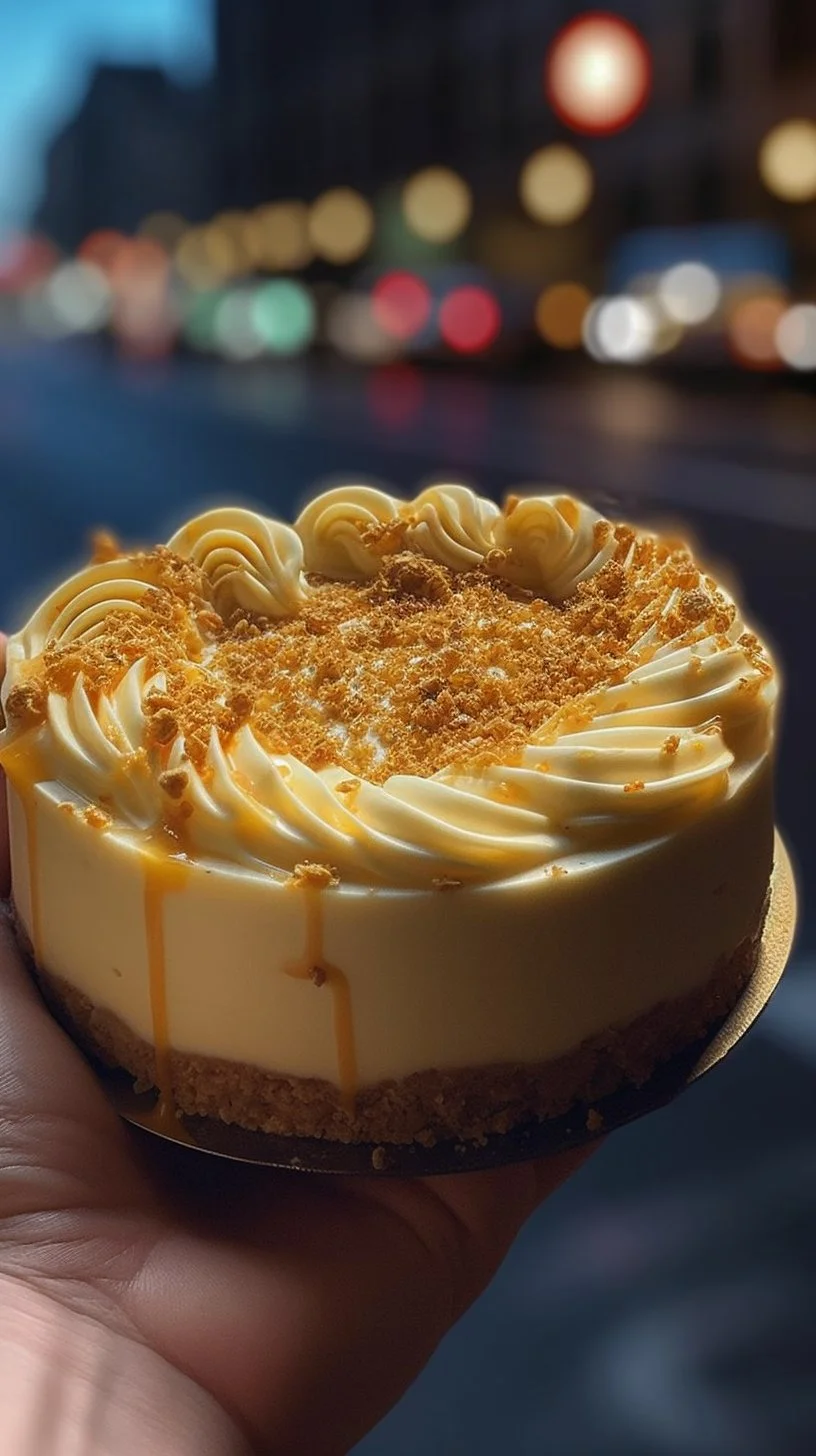
I still remember the first time I sliced into a mousse cake that felt like cloud and caramel had married — the knife slipped through a silky layer and the room smelled like warm cinnamon cookies. This Biscoff Lotus Cream Mousse Cake is that memory made real: plush, spicy, and impossibly smooth, with a crunchy cookie bed that sings with each bite.
Why make this recipe
- It’s a show-stopping dessert that’s surprisingly simple: no complicated tempering, just folds of whipped cream and buttery Biscoff bliss.
- The texture contrast — crisp cookie crust, velvety mousse, crunchy garnish — creates a cinematic mouthfeel perfect for dinner parties or cozy Sundays.
- If you love Biscoff (who doesn’t?), this recipe elevates the spread into a luscious, airy centerpiece.
How to make Biscoff Lotus Cream Mousse Cake
Ingredients:
- 200 g Biscoff cookies (crushed)
- 100 g Unsalted butter (melted)
- 2 tbsp Sugar
- 1/4 tsp Salt
- 400 ml Heavy cream
- 250 g Biscoff spread
- 100 g Cream cheese (softened)
- 50 g Powdered sugar
- 1 tsp Vanilla extract
- 2 tsp Gelatin powder
- 3 tbsp Cold water
- 100 g Biscoff cookies (for garnish)
- Chocolate shavings or cocoa powder (optional)
Directions:
Instructions
-
Make the crust: In a bowl, combine 200 g crushed Biscoff cookies, melted butter, sugar, and salt. Press the mixture evenly into the base of a 9-inch springform pan (or a similar ring mold) until compact. Chill in the refrigerator while you prepare the filling so the crust firms up and becomes crisp.
-
Bloom the gelatin: Sprinkle 2 tsp gelatin powder over 3 tbsp cold water in a small bowl. Let it bloom for 5 minutes, then gently warm (either in short bursts in the microwave or over a double boiler) until fully dissolved and fluid. Set aside to cool slightly — it should still be pourable but not hot.
-
Prepare the Biscoff-cream base: In a medium bowl, beat together 250 g Biscoff spread, 100 g softened cream cheese, powdered sugar, and vanilla extract until smooth and glossy. Taste and adjust sweetness if you prefer it sweeter.
-
Whip the cream: In a chilled bowl, whip 400 ml heavy cream to medium-stiff peaks. You want the cream to hold shape but still be light and pillowy.
-
Combine with gelatin: Take a few tablespoons of the whipped cream and whisk them into the slightly cooled gelatin to temper it, then fold that mixture back into the whipped cream to fully incorporate.
-
Fold everything together: Gently fold one-third of the whipped cream into the Biscoff-cream cheese mixture to loosen it, then fold in the remaining whipped cream in two additions. Work with a light hand to preserve the airy texture.
-
Assemble and chill: Pour the mousse over the chilled crust, smoothing the top with an offset spatula. Refrigerate the cake for at least 4–6 hours, preferably overnight, until set and sliceable.
-
Garnish: Right before serving, crumble 100 g Biscoff cookies over the top, add chocolate shavings or a dusting of cocoa powder if desired, and press a few whole cookies around the edge for drama.
How to serve Biscoff Lotus Cream Mousse Cake
- Slice with a warm, dry knife (dip in hot water and wipe clean between cuts) for clean, elegant slices.
- Serve chilled on dessert plates with a drizzle of warm caramel or a few fresh berries to cut the sweetness.
- Pair with a robust espresso or a lightly sweet dessert wine to echo the cookie’s caramel spice.
How to store Biscoff Lotus Cream Mousse Cake
- Keep refrigerated in an airtight container or with the springform pan wrapped in plastic wrap for up to 3–4 days.
- For longer storage, you can freeze the whole cake (well wrapped) for up to 1 month. Thaw in the refrigerator overnight before serving.
- Avoid leaving the cake at room temperature for more than 2 hours to preserve the mousse texture.
Tips to make Biscoff Lotus Cream Mousse Cake
- Use cold heavy cream and a chilled bowl for the best whipping volume.
- If your Biscoff spread is very stiff, warm it slightly (20–30 seconds in the microwave) so it incorporates smoothly.
- To prevent air bubbles in the mousse, fold gently and avoid overmixing.
- If you don’t have a springform pan, line a regular pan with parchment, or use a loose cake ring for easy removal.
- For a firmer set in warm climates, add an extra 1/2 tsp gelatin (test with your desired texture).
Variations (if any)
- Chocolate-Biscoff: Swirl in 2–3 tbsp melted dark chocolate into half the mousse for a marbled effect.
- Vegan-ish swap: Use a vegan cookie crust and swap gelatin for prepared vegan gelatin alternatives (see tips below), and use a plant-based whipped cream.
- Mini cheesecakes: Make individual mousse cups in jars or silicone molds for easy portioning and transport.
FAQs
Q: Can I skip the gelatin?
A: Gelatin helps the mousse hold a stable shape, especially if you want clean slices. You can try chilling longer and relying on the whipped cream and cream cheese alone, but the cake will be softer and may not slice as neatly. For a vegetarian option, substitute agar-agar (use about 1 tsp powdered agar dissolved and simmered per this recipe — adjust to package instructions and test, as agar sets differently).
Q: Can I make this ahead for a party?
A: Absolutely. Make the cake a day ahead and keep it chilled. Add the cookie garnish and chocolate shavings just before serving to keep them crisp.
Q: My mousse is grainy after folding. What happened?
A: That can happen if the gelatin was too hot when added, or if the Biscoff spread wasn’t smooth. Make sure the gelatin is cool enough to be pourable but not warm; temper it with a spoonful of whipped cream before folding into the whole batch. Also warm the Biscoff slightly to reach a silky consistency before mixing.
Q: Can I use store-bought whipped topping instead of heavy cream?
A: Store-bought stabilized whipped toppings can work in a pinch, but the texture and flavor won’t be as fresh or rich as real whipped cream. If you do, skip the gelatin and rely on the topping’s stabilizers.
Q: How do I prevent the crust from getting soggy?
A: Press the crust firmly and chill it well before adding the mousse. For extra protection, briefly bake the biscuit base at 350°F (175°C) for 6–8 minutes until just set, then cool completely before adding the mousse.
Conclusion
If you love the pure, creamy essence of Biscoff and want a dessert that reads like a memory — warm spice, silky mousse, and crunchy cookie echo — this Biscoff Lotus Cream Mousse Cake is your recipe. For inspiration on ultra-simple Biscoff mousses and alternative techniques, check out a delicate take on the ingredient-driven mousse at Jane’s Patisserie Three Ingredient Biscoff Mousse and a streamlined version at The Cooking Foodie 2-Ingredient Lotus Biscoff Mousse.
May each slice bring a little warmth and wonder to your table — happy baking, and keep savoring the small, delicious moments.

Biscoff Lotus Cream Mousse Cake
Ingredients
Method
- In a bowl, combine 200 g crushed Biscoff cookies, melted butter, sugar, and salt. Press the mixture evenly into the base of a 9-inch springform pan until compact. Chill in the refrigerator.
- Sprinkle 2 tsp gelatin powder over 3 tbsp cold water in a small bowl. Let it bloom for 5 minutes, then gently warm until fully dissolved and fluid.
- In a medium bowl, beat together 250 g Biscoff spread, 100 g softened cream cheese, powdered sugar, and vanilla extract until smooth and glossy.
- In a chilled bowl, whip 400 ml heavy cream to medium-stiff peaks.
- Take a few tablespoons of the whipped cream and whisk them into the slightly cooled gelatin to temper it, then fold that mixture back into the whipped cream.
- Gently fold one-third of the whipped cream into the Biscoff-cream cheese mixture, then fold in the remaining whipped cream in two additions.
- Pour the mousse over the chilled crust, smoothing the top. Refrigerate the cake for at least 4–6 hours, preferably overnight.
- Crumble 100 g Biscoff cookies over the top and add chocolate shavings or cocoa powder if desired.